AquaLoops4Med

AquaLoops4Med

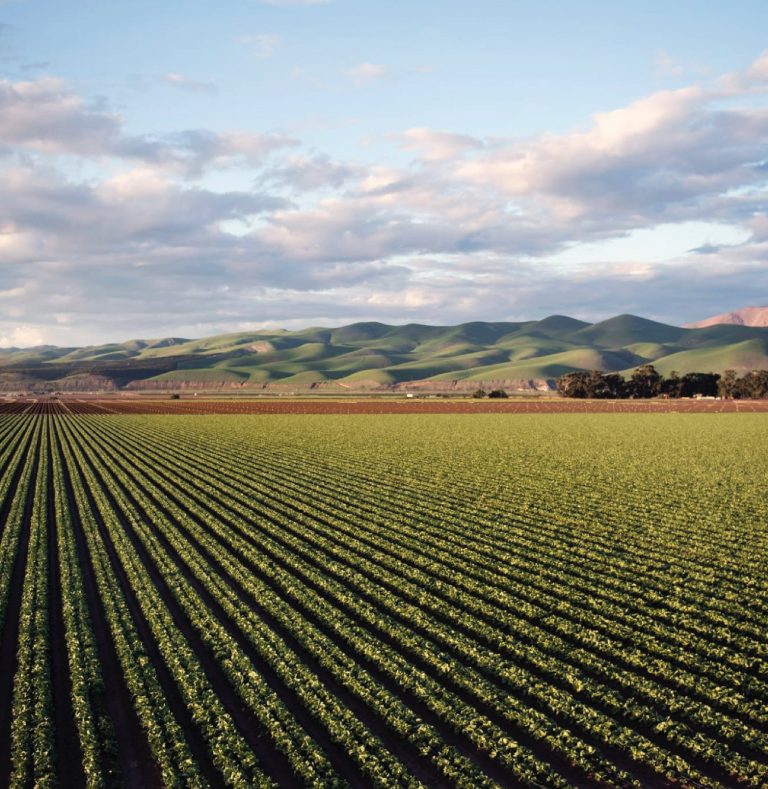
The AquaLoops4Med project aims to foster an interregional network to promote a more sustainable and circular water management model in the Mediterranean agri-food sector. The initiative involves the regions of Catalonia, Basilicata (Italy), Attica, and Thessaly (Greece), bringing together 13 partners that combine technological, scientific, and business expertise, and is led by the Catalan Water…
AtmosphAir

AtmosphAir

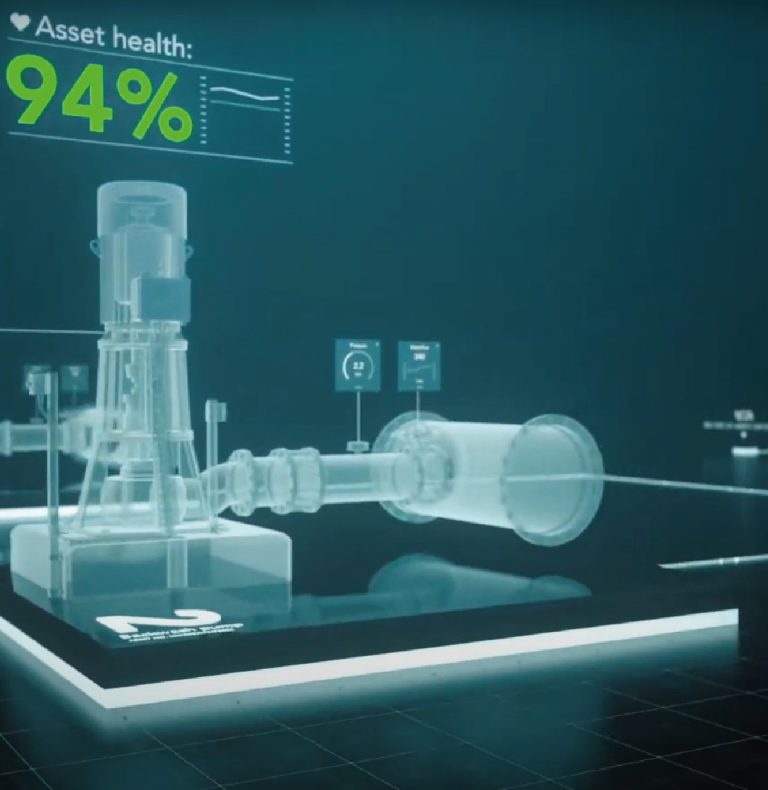
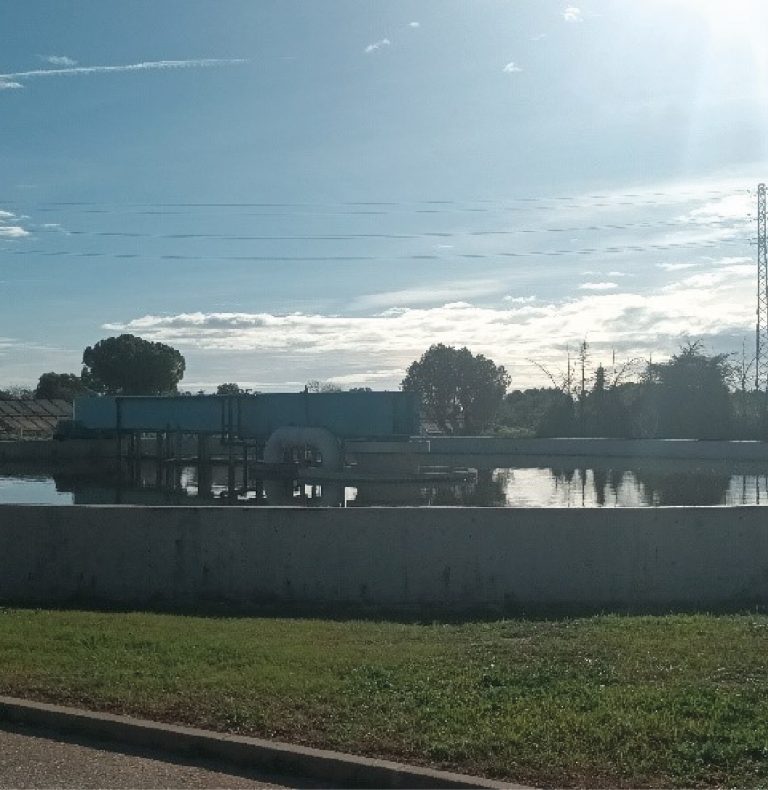
Generate knowledge and lay the foundations for the development of a future digital platform that allows both control and prediction of the generation and emission of atmospheric pollutants.

AtmosphAIr 2.0

AtmosphAIr 2.0

The second phase AtmosphAIr 2.0 project follows the lines of its first phase, studying the processes of formation of greenhouse gases (GHG) and odoriferous gases in WWTPs. The final objective of this second phase of the project is to improve the forecasting methodologies already developed, to carry out a study of the impacts and the…

COSM_EAU

COSM_EAU

Facilitate the launch of collaborative R&D and innovation projects that improve the efficiency of water use in the perfumery and cosmetics industry through the implementation of innovative digital technologies.

Cosme Water Footprint

Cosme Water Footprint

The Cosme Water Footprint project, in all its three phases, aims to develop a tool for calculating the organizational water footprint and the product produced in the cosmetic sector. It would be the first specific software for the sector with this objective, being a global innovation and reinforcing the sustainability positioning of the Spanish cosmetic…

Creation of an operational group for the study of the collection of rainwater runoff by ponds in a natural environment for dryland woody crops

Creation of an operational group for the study of the collection of rainwater runoff by ponds in a natural environment for dryland woody crops

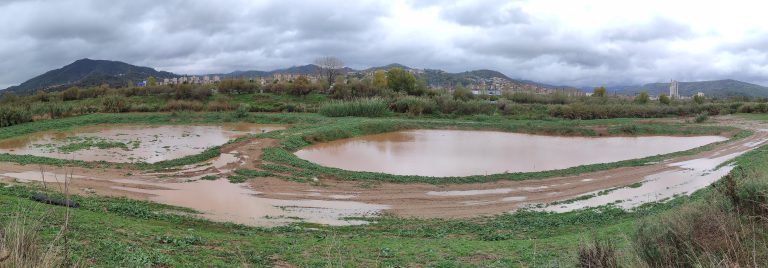
The lack of water emerges as a first-order threat to the survival and future viability of crops, particularly and significantly affecting woody crops in rainfed areas. As the impacts of climate change become more evident, the availability of water is reduced, endangering not only immediate production but also the continuity of agricultural operations in these…

FLUENT

FLUENT

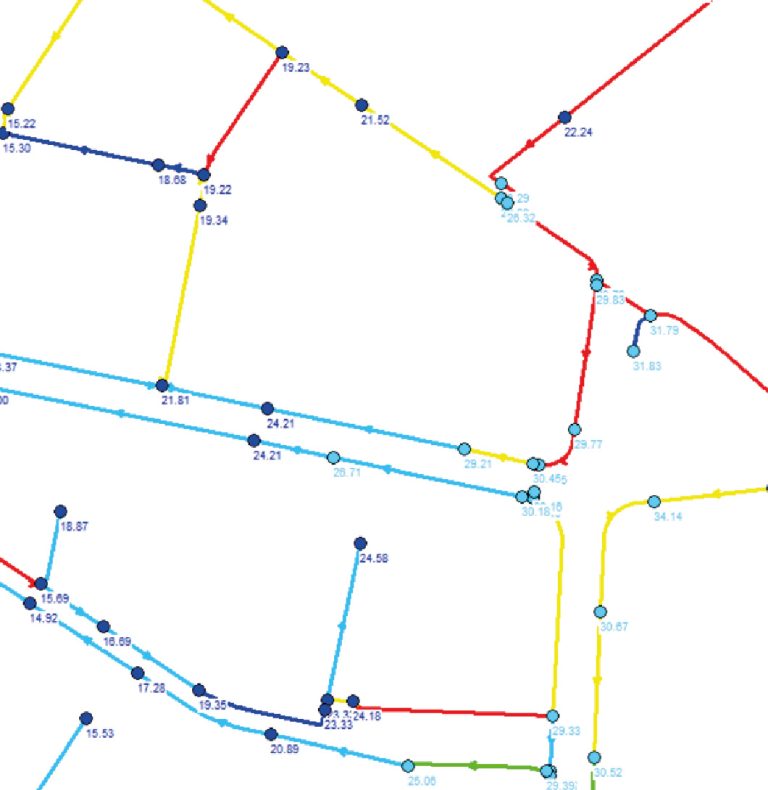
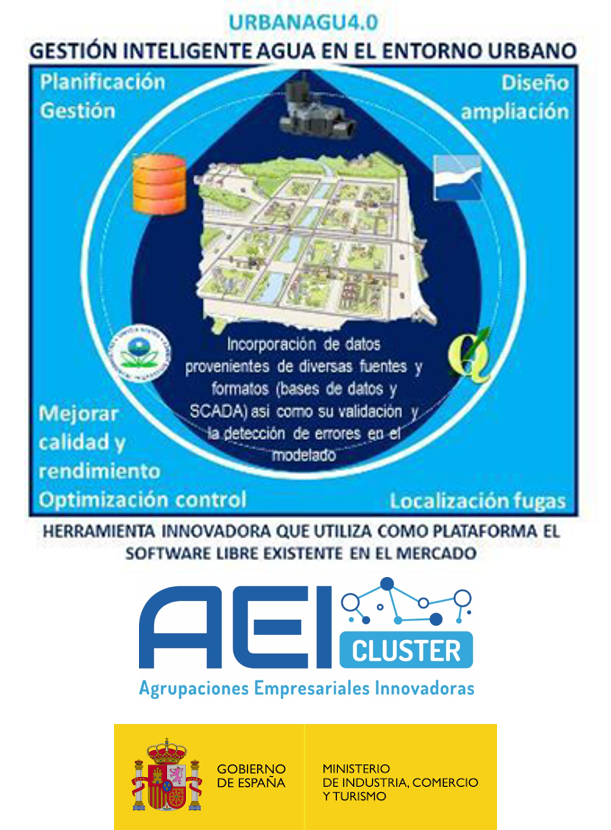
Keeping the pipes in good condition and planning maintenance tasks efficiently is a challenge for operators of urban distribution networks due to the inaccessibility of these infrastructures. The purpose of the FLUENT project is to design and validate a tool for calculating failure probabilities that will work with open software and will be able to…

FLUENT 2.0

FLUENT 2.0

It is a second phase project that builds on the results obtained in the previous FLUENT project, during the execution of which work was carried out on the development of a breakdown prediction model in water distribution networks based on open source software and algorithms. FLUENT 2.0 proposes new functionalities and developments linked to the…

Greenhood

Greenhood

The GreenHood project addresses nutrient pollution (nitrogen (N) and phosphorus (P)), which affect ecosystems and biodiversity. It aims to reduce nutrient imbalances through innovative recovery technologies, nature-based solutions, and best management practices. The project will promote the circularity of nutrient flows by converting waste into biological fertilisers, while integrating sustainable business and governance models, to…

HYDROUSA

HYDROUSA

A new HORIZON2020 project, HYDROUSA was launched on July 1 to reinvent a water-resilient economy, mitigate climate change and reform the agri-food system. HYDROUSA aims to promote innovative solutions for the Mediterranean islands in terms of water/wastewater treatment and how to manage it, which will close the water cycles and improve the energy and agriculture…

IKAT

IKAT

The IKAT project is a European project of the Euroclusters line that aims to contribute to the achievement of the updated tourism strategy proposed by the EC, following the conclusions reached by the Parliament and the Council before the pandemic for tourism European and the industrial ecosystem of the maritime and coastal sectors in the…

INAPDRON

INAPDRON

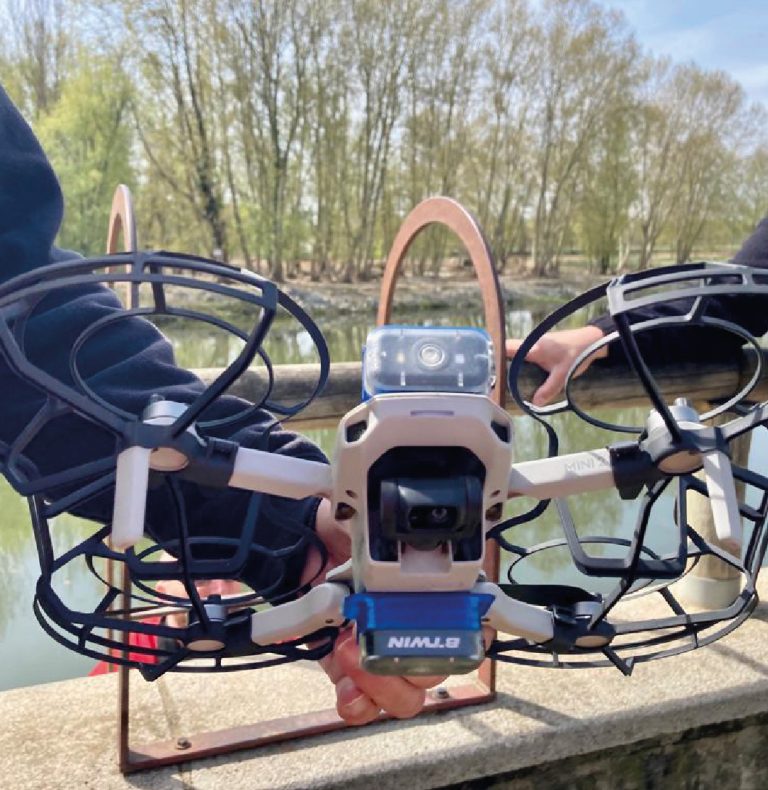
Design and validate an aerial, underwater and hybrid drone model to obtain data from water distribution and sanitation networks to improve their maintenance and the detection of leaks and breakdowns.

INVASOR-ES

INVASOR-ES

The INVASOR-ES project aims to develop advanced technological solutions to combat invasive alien species (IAS) in hydraulic infrastructures, especially in irrigation systems. These species, such as zebra mussels, apple snails and bryozoans, generate serious infrastructure problems: obstructions, breakdowns, high maintenance costs and loss of agricultural productivity. The development of this project will be an opportunity…

iPREDICE III

iPREDICE III

The project focuses on developing an innovative platform to minimize discharges into the natural environment by monitoring overflow points in the sanitation network. Using experimental data and artificial intelligence techniques, it will enable the prediction of discharges with sufficient advance notice to activate preventive mechanisms and detect uncontrolled discharges, providing insights into their origin. The…

NEXADA

NEXADA

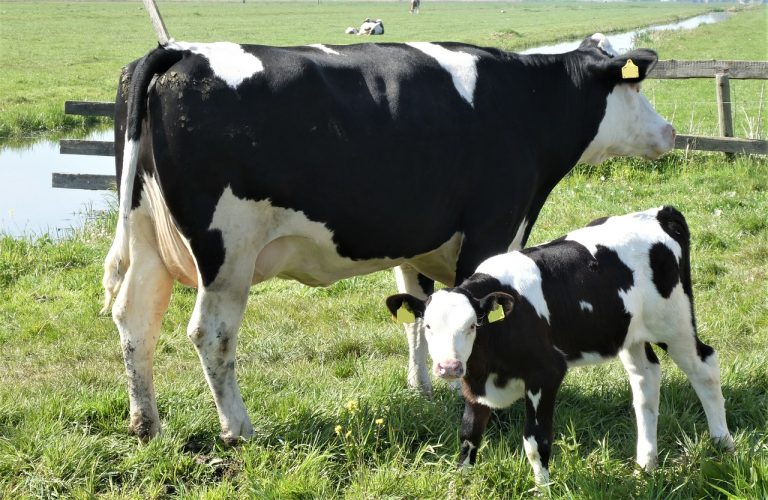
Promote R&D and innovation business projects that exploit existing synergies in the water-digital-food nexus, to offer solutions with high added value to end users of the food sector (mainly the dairy, sea-industry and beverage subsectors) that support their sustainable development.

Rains

Rains

The RAINS (Resilient Agricultural Irrigation Systems for Water Scarcity in Europe) project aims to demonstrate and implement new innovative irrigation practices and technologies that improve efficiency in water and nutrient management, reducing the impact of extreme weather events such as droughts and torrential rains. To respond to these challenges, during the execution of the RAINS…

RE2AQUA

RE2AQUA

The RE2AQUA project aims to promote the reuse of water in the agri-food industry, based on scientific and technical evidence, ensuring that it is suitable for reuse based on its level of quality and complying with current regulatory requirements. This will allow the sector to continue improving efficiency in water management, contributing to its adaptation…

ReWat

ReWat

The ReWaT project arises from the need to save water and optimize the use of this resource among users in urban environments. For this purpose, regenerated water is considered as an alternative water source suitable to cover certain uses within the regulatory requirements and within the urban environment, which will decrease the pressure on the…

SAGIC

SAGIC

The final objective of the SAGIC project is to design a management tool for non-compliance or deviations from one or more requirements in a process (known as non-conformities) by industrial companies. This tool will work based on neural networks and will interpret information coded in natural language and will allow the analysis of a large…

SatWater

SatWater

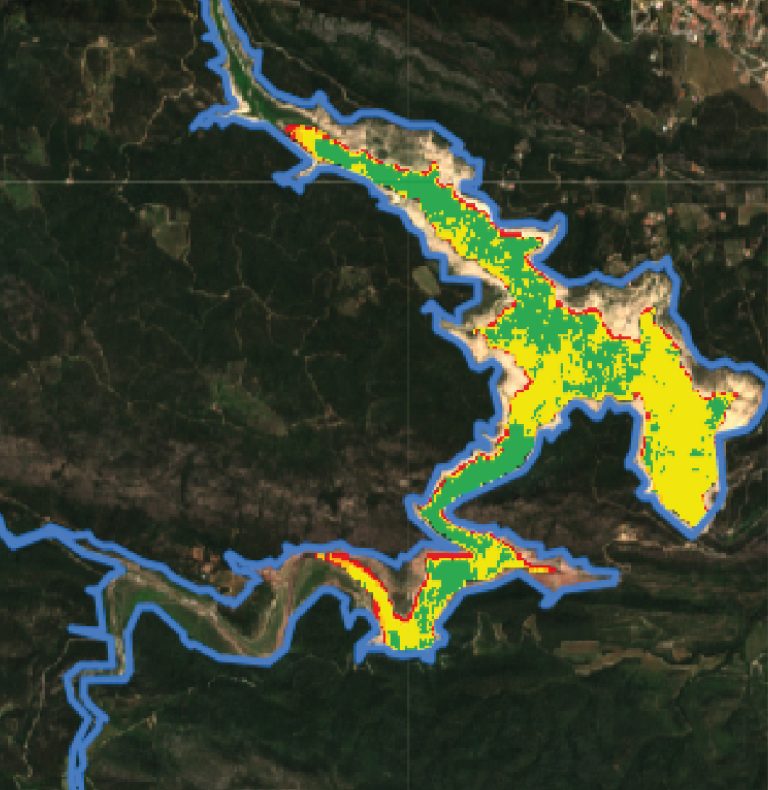
Develop a tool that allows, through the interpretation of satellite images, to anticipate episodes of declines in the quality of surface water bodies.

SatWater 2.0

SatWater 2.0

In the current context of drought and climate change, surface freshwater bodies are increasingly strategic long-term resources to guarantee water availability. Even so, the effects of the drought and the reduction of precipitation cause the reduction of volumes of these bodies of water and the consequent worsening of their quality due to the concentration of…

SEACURE

SEACURE

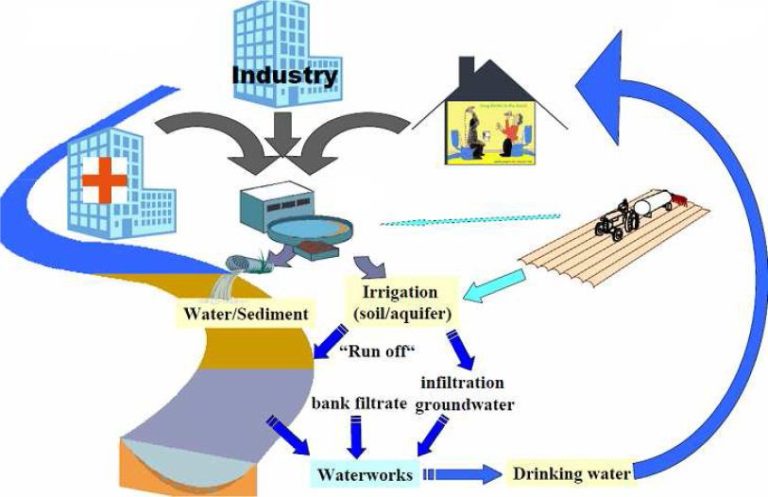
The SEACURE project, led by the BETA Technology Centre of the UVic-UCC and funded by the Horizon Europe programme, addresses nutrient pollution  (nitrogen and phosphorus) in the soil-river-sea system of the Mediterranean. This problem, caused by the excess of agricultural fertilisers and wastewater treatment plant effluents, contributes to the eutrophication of water bodies, causing algae…

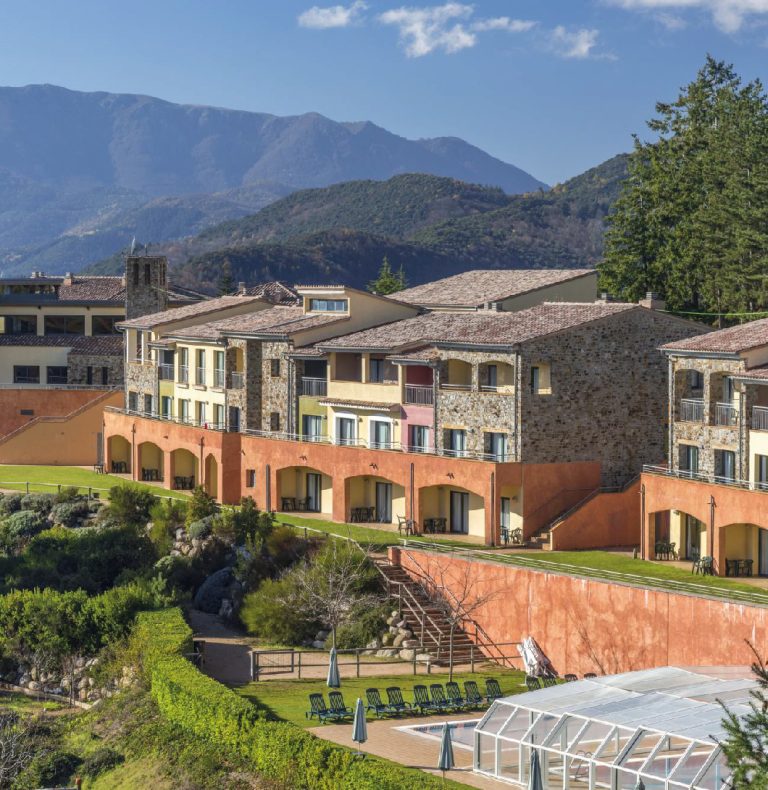
SMARTH2OTEL

SMARTH2OTEL

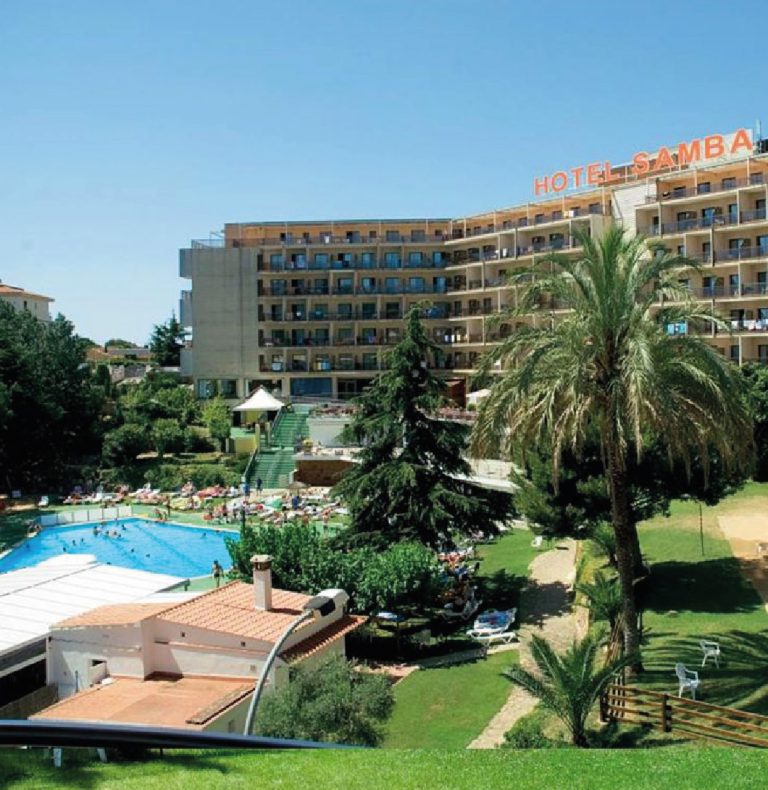
Study innovative and digital solutions for the efficient management of the water cycle in tourist establishments to promote the circular economy based on the reuse of water and the recovery or generation of renewable energy

Smarth2otel 2.0

Smarth2otel 2.0

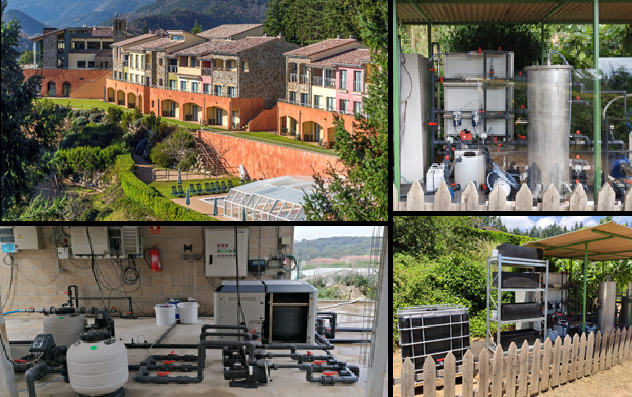
The SMARTH2OTEL project as a whole aims to study and develop digital and innovative solutions for the efficient and sustainable management of the water cycle in tourist establishments. In the current second phase of the project, SMARTH2OTEL 2.0, it is intended to consolidate the experimental data of the solutions studied in phase 1, of early…

SMARTH2OTEL 3.0

SMARTH2OTEL 3.0

SMARTH2OTEL 3.0 is the third and final phase of a collaborative project aimed at validating technological and digital solutions in real environments to improve water and energy efficiency in tourist establishments. The main objective of this phase is to demonstrate the technical and operational feasibility of the technologies developed in the previous phases, through their…
SurVue

SurVue

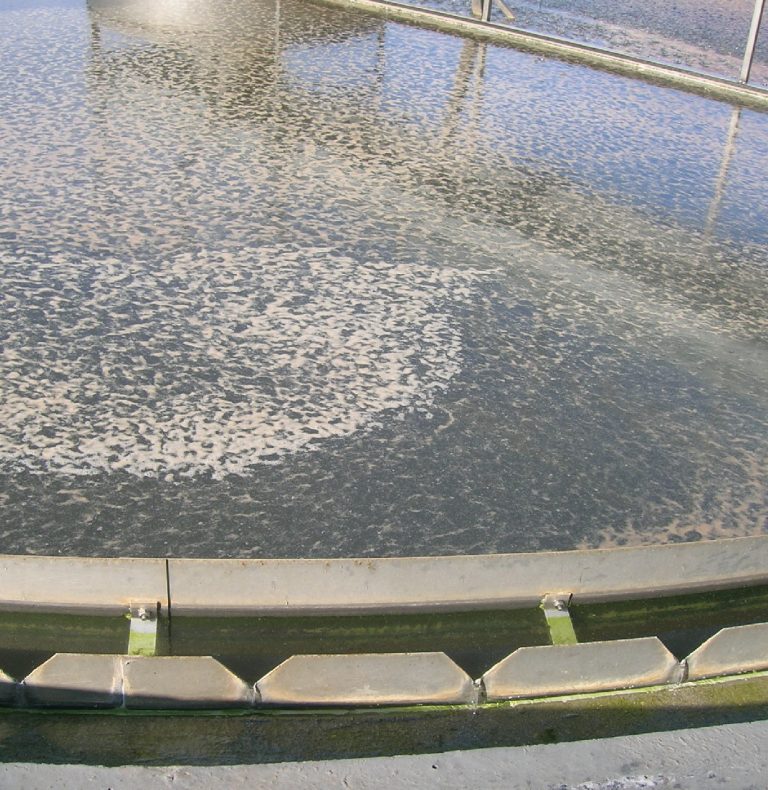
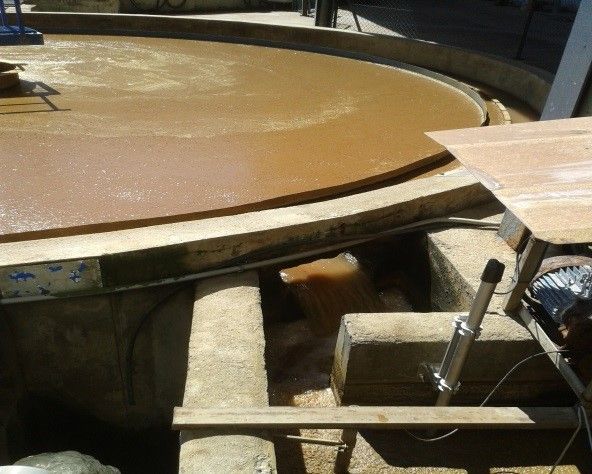
The formation of foams in the decanters and biological reactors of WWTPs can mean a decrease in the efficiency of water purification and an increase in the economic costs that are necessary to deal with this process. To deal with this problem, the SurVue project proposes several actions in this regard, the first of which…
SurVue

SurVue

The formation of foams in the settlers and biological reactors of WWTPs (Wastewater Treatment Plants) can lead to a decrease in water treatment efficiency and an increase in the economic costs required to manage this issue. To address this problem, the SurVue project proposes several actions. The first is to carry out a study on…

VECOLI

VECOLI

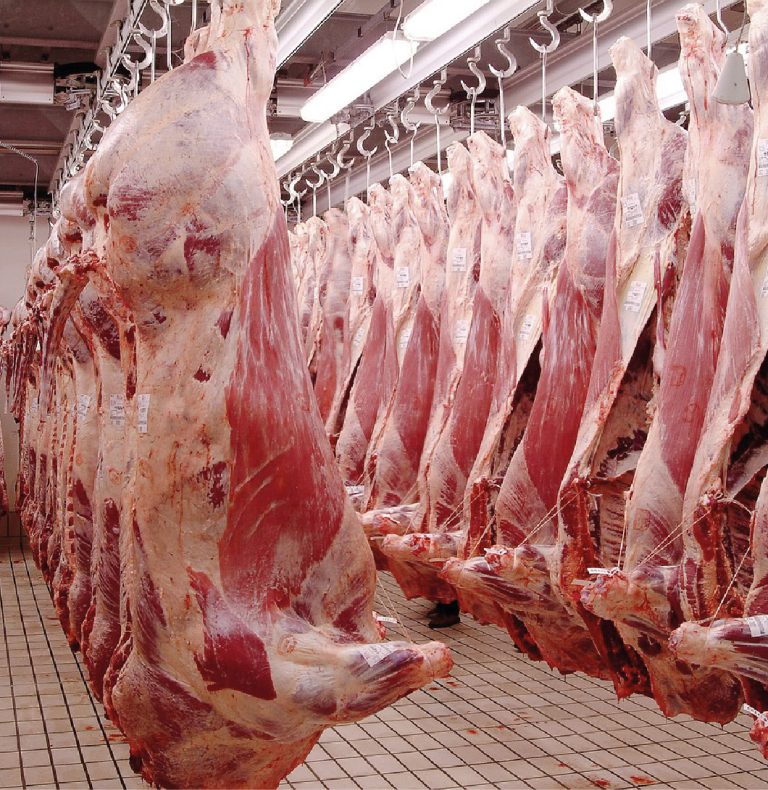
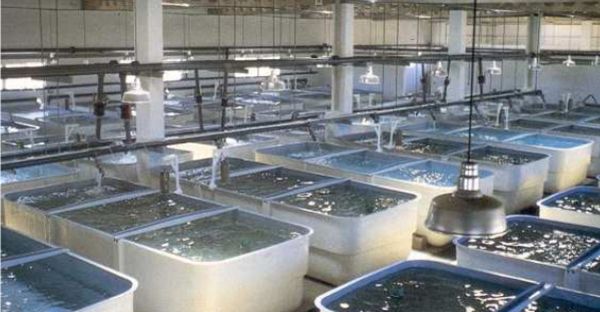
Meat is a sector that requires a high consumption of water to clean vehicles, facilities and machinery. The reuse of water for cleaning without direct contact with food is a good way to reduce global consumption. However, guaranteeing the required water quality at all times is difficult due to the high economic cost of continuous…

VISCERA CUTTING: Innovative system for the multi-cutting process of viscera in the slaughterhouse and reduction of water consumption

VISCERA CUTTING: Innovative system for the multi-cutting process of viscera in the slaughterhouse and reduction of water consumption

The meat sector is the fourth largest industrial sector in the territory. The optimization of the processes involved in the slaughtering and processing of the products obtained is vital to increase the competitiveness of the sector. One of the key points is to be able to combine productivity with the saving of both energy and…

ViWaTec

ViWaTec

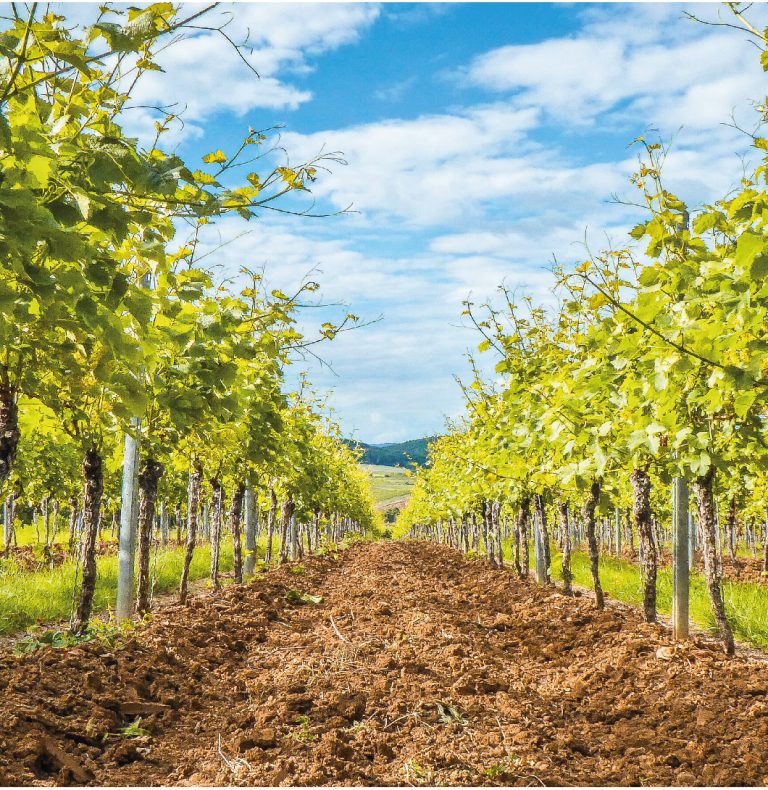
The purpose of the ViWaTec project is to promote technological solutions and other innovative strategies that improve water use efficiency in the wine sector. Pursuing this objective, 8 state diagnoses and 3 technical and economic evaluations will be carried out in 11 different wineries representative of the territories, with individualized visits by expert companies in…

ViWaTec

ViWaTec

The aim of the ViWaTec project is to promote technological solutions and other innovative strategies that allow for improved water use efficiency in the wine sector. In pursuit of this objective, 8 state diagnoses and 3 technical and economic assessments will be carried out in 11 different wineries representing the territories, with individual visits by…

WatEnerWine

WatEnerWine

The main objective of the WatEnerWine project is to promote sustainability and efficiency in the use of water and energy in the European wine industry. This initiative has a consortium made up of clusters, technology centers and companies from France, Italy and Spain, the three main wine-producing countries in Europe. For three years, WatEnerWine will…

BIODAPH2O

BIODAPH2O

The LIFE BIODAPH2O project (LIFE21-ENV-ES-BIODAPH2O) is financed within the LIFE programme, which is the only financial instrument of the European Commission dedicated entirely to environmental protection and climate action. The project has a duration of 42 months, ending in January 2026 with a total budget of €2.1 million. The project is coordinated by the University…

HYDROUSA

HYDROUSA

A new HORIZON2020 project, HYDROUSA was launched on July 1 to reinvent a water-resilient economy, mitigate climate change and reform the agri-food system. HYDROUSA aims to promote innovative solutions for the Mediterranean islands in terms of water/wastewater treatment and how to manage it, which will close the water cycles and improve the energy and agriculture…

HYDROLEAKS2.0

El projecte HYDROLEAKS2.0 és una activitat de desenvolupament experimental que parteix de la necessitat de les entitats gestores de xarxes de distribució d’aigua de millorar el control de les instal·lacions.

WAT’SAVEREUSE

WAT’SAVEREUSE

Raising awareness on water saving and reuse legislation to promote the circular economy in the tourism sector. The WAT’SAVEREUSE project focuses on the benefits of water legislation and national initiatives aimed at promoting the concept of circular economy in water consumption, especially in the tourism industry, focusing on both water saving and water reuse, with…