The 360º WWTP conference brings together more than 100 professionals to address the challenges of the new European Wastewater Directive
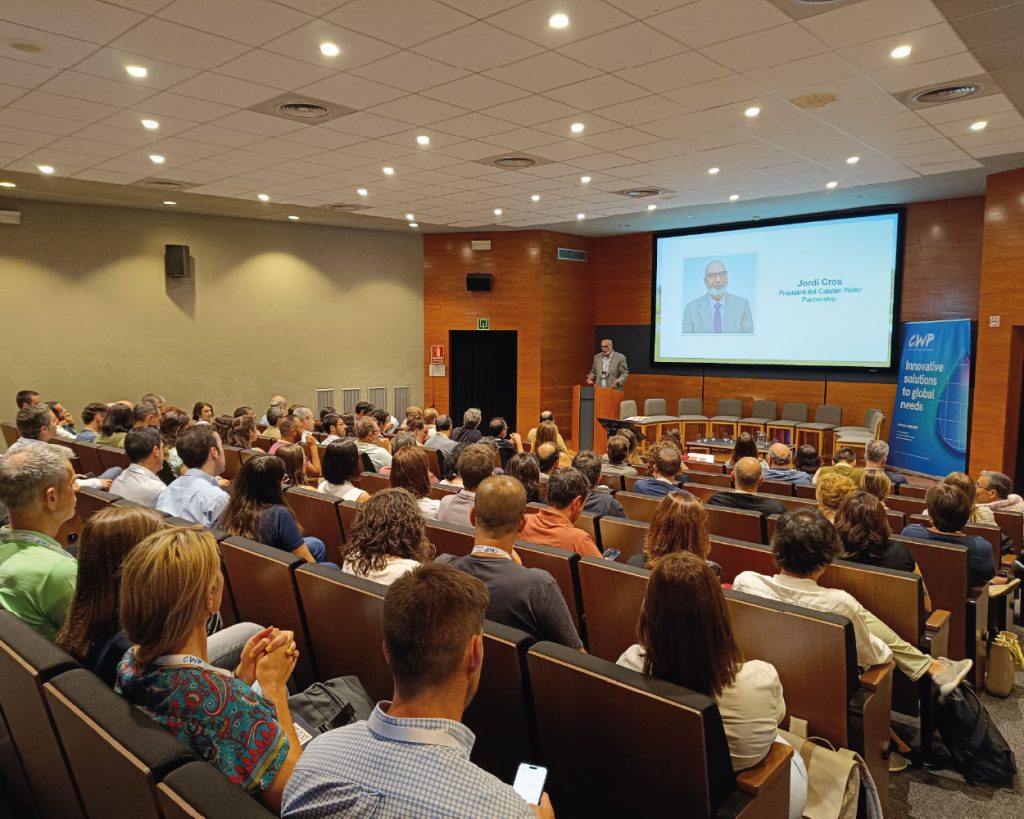
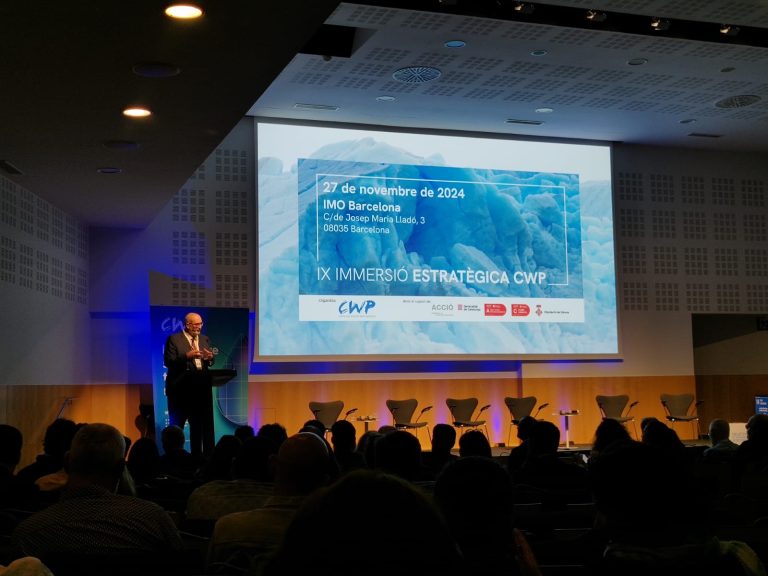
More than a hundred professionals from the water sector gathered at the second edition of the 360º WWTP conference, organised by the Catalan Water Partnership (CWP), with the aim of analysing and debating the challenges and opportunities arising from the new European Union Directive 2024/3019 on urban wastewater treatment.
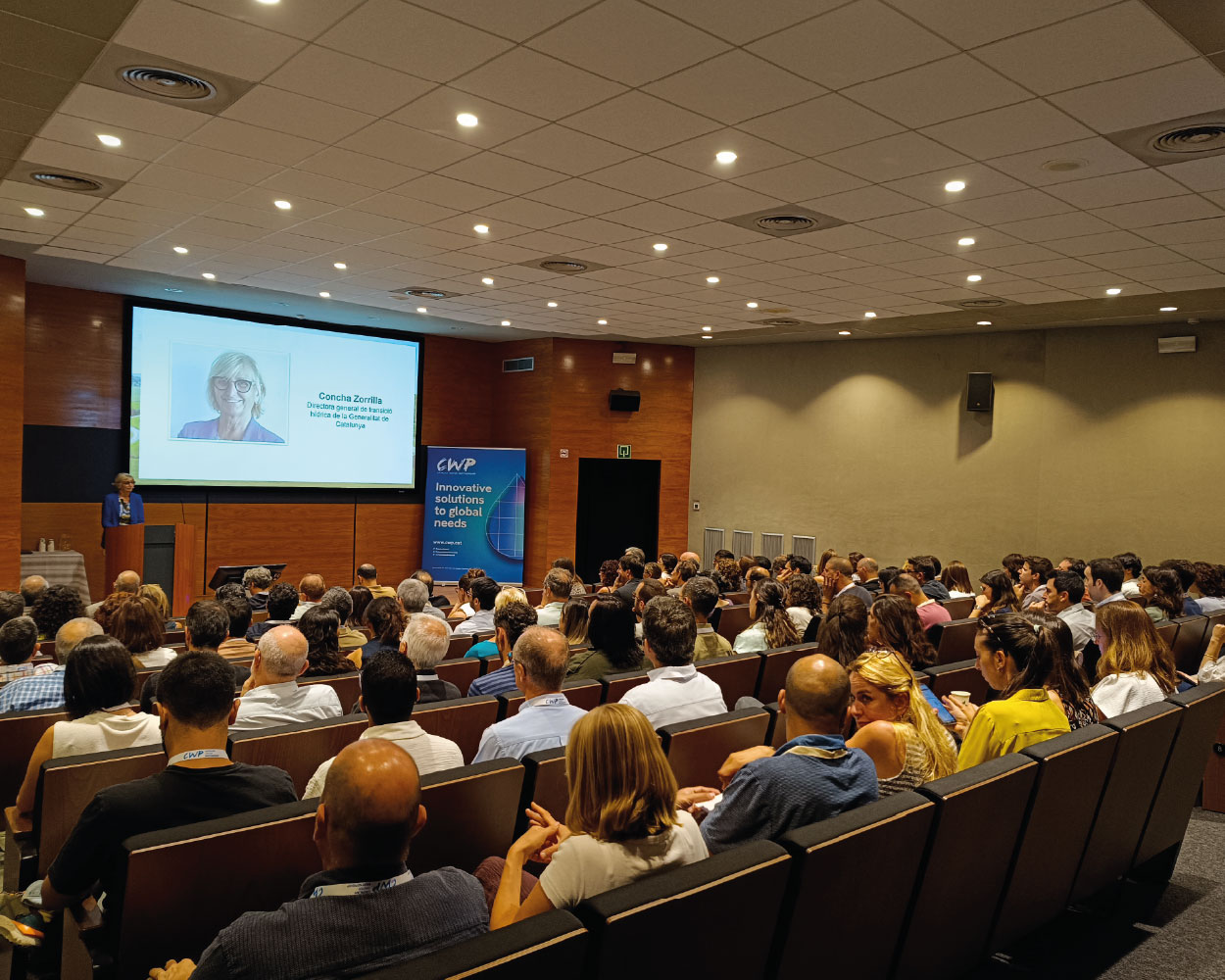
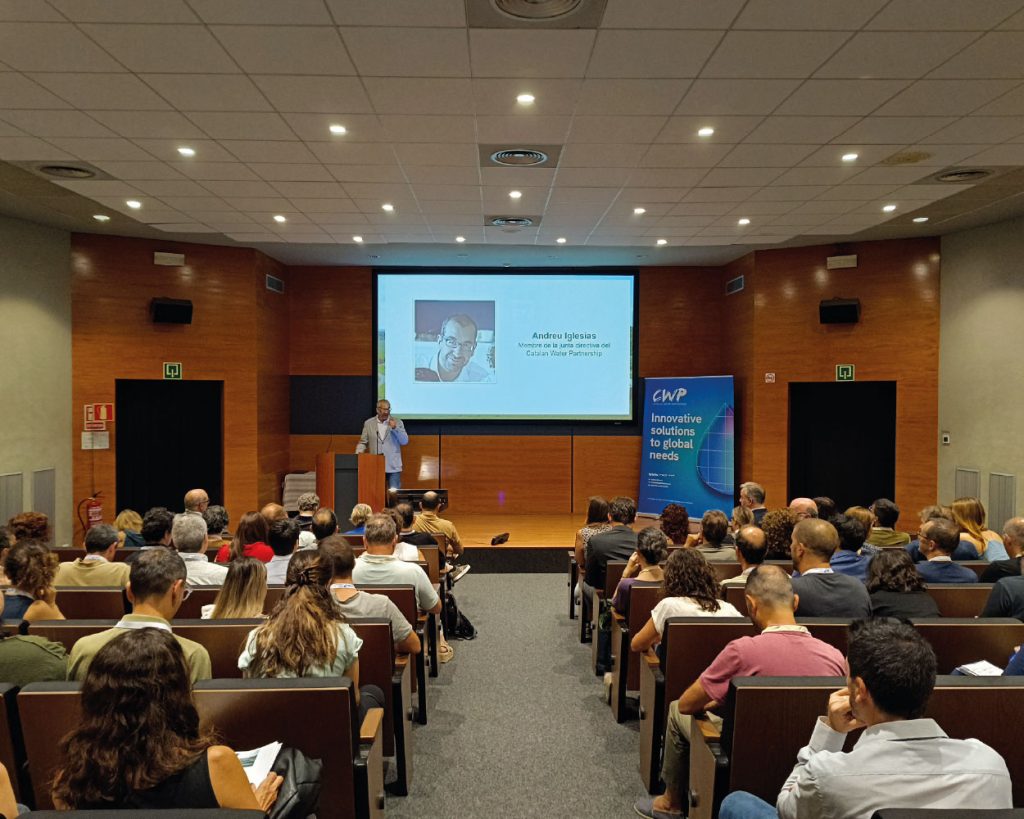
The event began with a welcome by Andreu Iglesias, member of the board of the Catalan Water Partnership, who stated that “From the Catalan Water Partnership we believe that the challenges taken up by the TARU must be a lever for improving the sanitation sector. The improvement of water quality, energy self-sufficiency, sludge management, nutrient recovery, regeneration and in general all the opportunities derived from the new obligations of the TARU must be accompanied by the necessary resources to make them a reality. Because only in this way will we be able to maintain the talent we already have and attract new ones. The future of the sector depends on recognising its strategic value, making it visible and investing in it, and that Catalonia continues to be a benchmark in Purification“. Next, Concha Zorrilla, Director General of water transition of the Generalitat de Catalunya, gave the institutional welcome, highlighting: “Sanitation must be consolidated, improving the operation of active treatment plants and implementing new systems in small towns“.

One of the first outstanding presentations was Núria Mallén, from Familia Torres, who explained the strategies that the wine company has carried out to adapt to the climate emergency, such as the reuse of reclaimed water from its treatment plant for cleaning, cooling and irrigation processes in the vineyard. Next, Anna Ribera, from Eurecat, who presented the iRain project, an innovative initiative that uses artificial intelligence to optimize the reuse of wastewater and nutrients in the agricultural sector. For his part, Marc Moliner, from the Catalan Water Agency, contextualized the main changes brought about by the new European directive, as well as the timetable planned for its implementation and the main associated challenges, focusing on its application in the Catalan context.


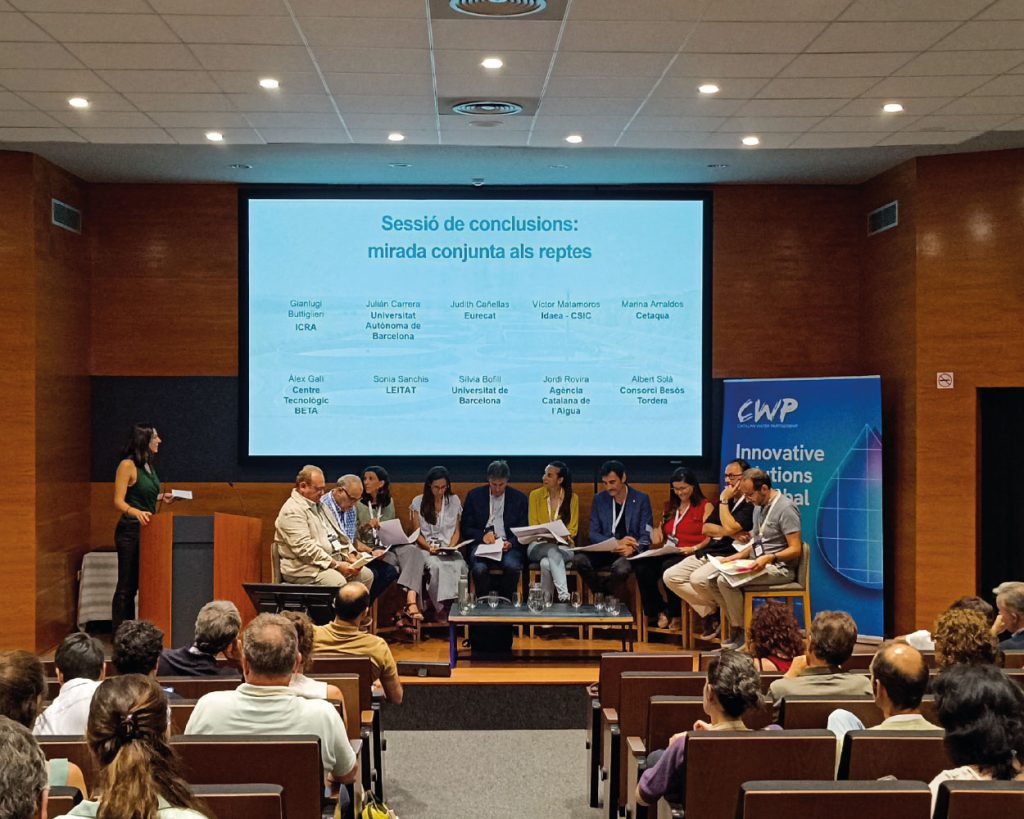
One of the central blocks of the day was the elevator pitch format, where the specific challenges arising from the new regulations were exposed, by top-level experts. Gianluigi Buttiglieri, from ICRA, opened the round with a reflection on the expansion of the scope of application in relation to small and decentralized WWTPs. Julián Carrera, from the Autonomous University of Barcelona, addressed the need to move towards energy neutrality in WWTPs. Judith Cañellas, from Eurecat, spoke about tertiary treatments and the removal of nitrogen and phosphorus, while Víctor Matamoros, from IDAEA-CSIC, focused on quaternary treatments and micropollutants. Key contributions were also presented, such as that of Marina Arnaldos, from CETAQUA,on water reuse; Àlex Galí, from the BETA Tech Center – UVic-UCC, on the recovery of nutrients and other compounds with high added value; Sònia Sanchís, from Leitat, on the recovery of sludge focused on safe recycling and the control of microplastics; and Sílvia Bofill, from the University of Barcelona, who explained the importance of monitoring epidemiological parameters. Finally, transparency, open data and governance were discussed with Jordi Rovira, from the Catalan Water Agency and the financing of the new regulatory requirements with Albert Solà, from the Besòs Tordera Consortium.

Subsequently, the attendees participated in several thematic debate tables, moderated by the pitch experts, to delve into each of the challenges. In these sessions, current barriers, possible solutions and joint lines of work were identified, favouring the transfer of knowledge and the cross-referencing of experiences between public and private agents.
The day ended with a session of conclusions that collected the contributions of the debates of each table, followed by the closing of the president of the Catalan Water Partnership, Jordi Cros, who stressed that “The high participation in the day reflects the importance of the challenge of implementing the new Directive and the need to face it jointly to achieve the objectives”.